
5 New Amazon Smart Commerce Widgets That Turn Product Catalogs Into Brand Storefronts
Most online ecommerce stores in India suffer from the same problem - they all look the same.
Open ten online stores today, and chances are you'll struggle to tell them apart. Endless rows of product tiles, generic category menus, and plain layouts with very little that tells customers who the brand is, what it stands for, or why it deserves to be trusted.
This is what we call the catalog problem - when an online store functions like a product database instead of a branded shopping experience.
The cost of this is bigger than most sellers realize. When every storefront looks identical, customers compare products on one thing alone: price. There's no story drawing them in, no visual experience creating aspiration, and no brand identity building trust. You're simply another option in a sea of similar options.
The brands customers remember aren't always the ones with the biggest catalogs - they're the ones with the strongest storefront experience.
That's exactly the challenge Smart Commerce by Amazon set out to solve with five new ecommerce widgets designed to help sellers build storefronts that feel like brands rather than product catalogs.
Here's what's new - and how each widget helps create a better customer experience.
Open ten online stores today, and chances are you'll struggle to tell them apart. Endless rows of product tiles, generic category menus, and plain layouts with very little that tells customers who the brand is, what it stands for, or why it deserves to be trusted.
This is what we call the catalog problem - when an online store functions like a product database instead of a branded shopping experience.
The cost of this is bigger than most sellers realize. When every storefront looks identical, customers compare products on one thing alone: price. There's no story drawing them in, no visual experience creating aspiration, and no brand identity building trust. You're simply another option in a sea of similar options.
The brands customers remember aren't always the ones with the biggest catalogs - they're the ones with the strongest storefront experience.
That's exactly the challenge Smart Commerce by Amazon set out to solve with five new ecommerce widgets designed to help sellers build storefronts that feel like brands rather than product catalogs.
Here's what's new - and how each widget helps create a better customer experience.
Why Great Storefront Design Matters
Great storefront design isn't just about looking beautiful-it performs real business functions. Before customers read a single product description, your storefront has already started answering important questions: Can I trust this brand? Does this feel premium? Is this worth my time?
A thoughtfully designed storefront builds credibility, creates desire through lifestyle context, guides discovery with curated layouts, and communicates a clear brand identity that helps customers choose you over countless alternatives. It also reduces decision fatigue by helping shoppers understand where to look, what to explore, and what to buy next.
The brands consistently winning in visual commerce aren't simply spending more on advertising-they're investing in storefront experiences that make every visitor feel confident about buying.
That's exactly what these five new widgets are designed to do.
A thoughtfully designed storefront builds credibility, creates desire through lifestyle context, guides discovery with curated layouts, and communicates a clear brand identity that helps customers choose you over countless alternatives. It also reduces decision fatigue by helping shoppers understand where to look, what to explore, and what to buy next.
The brands consistently winning in visual commerce aren't simply spending more on advertising-they're investing in storefront experiences that make every visitor feel confident about buying.
That's exactly what these five new widgets are designed to do.
Row Grid Widget: Flexible Layouts for Better Ecommerce Storefronts
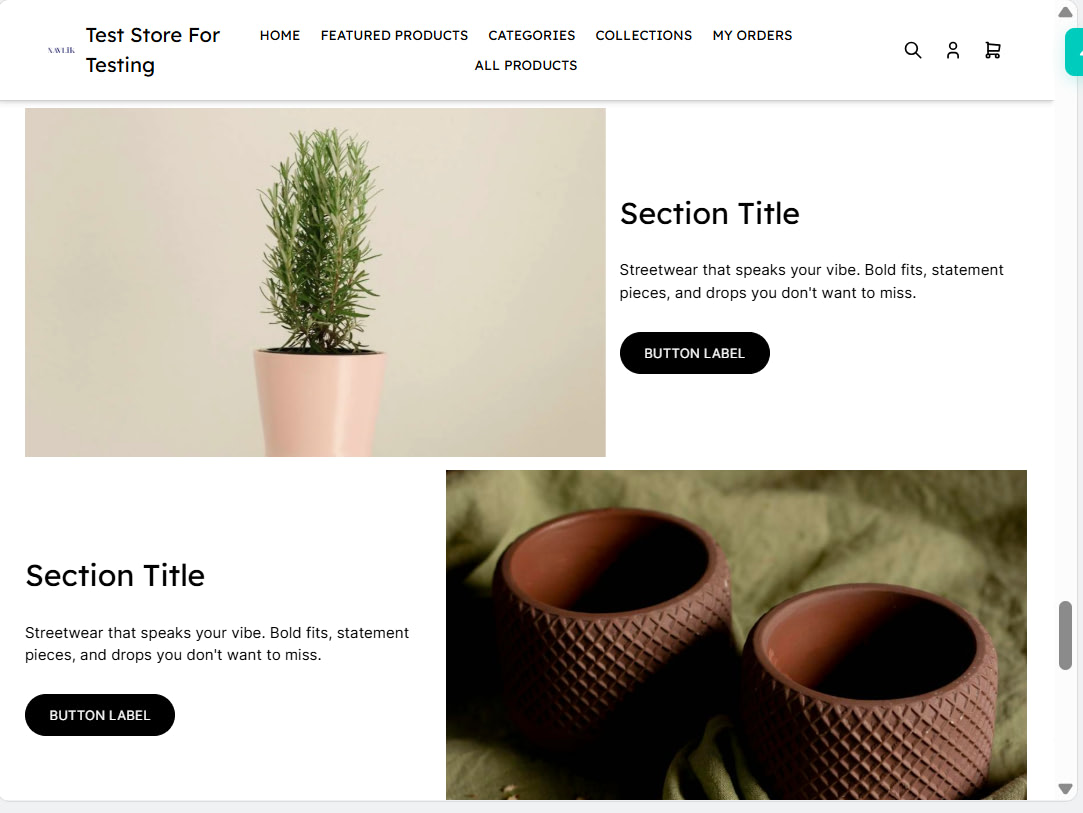
The Row Grid Widget is a flexible layout tool that lets sellers combine images, text, products, and collections into stacked or carousel-based sections. Instead of forcing every campaign into the same page template, sellers can now design layouts around customer journeys, seasonal campaigns, and merchandising goals.
Here's what the Row Grid Widget lets you build:
• Festive campaign sections combining hero lifestyle images with featured product collections
• Editorial-style "New Arrivals" sections with flexible layouts
• Category highlights that blend storytelling with curated product recommendations
• Seasonal promotional sections that can be updated without rebuilding the homepage
For sellers who have always wanted their homepage to feel more like a branded website than a marketplace listing, this widget provides the creative flexibility to make that happen.
Here's what the Row Grid Widget lets you build:
• Festive campaign sections combining hero lifestyle images with featured product collections
• Editorial-style "New Arrivals" sections with flexible layouts
• Category highlights that blend storytelling with curated product recommendations
• Seasonal promotional sections that can be updated without rebuilding the homepage
For sellers who have always wanted their homepage to feel more like a branded website than a marketplace listing, this widget provides the creative flexibility to make that happen.
Text Block & Image Showcase: Beyond Product Listings
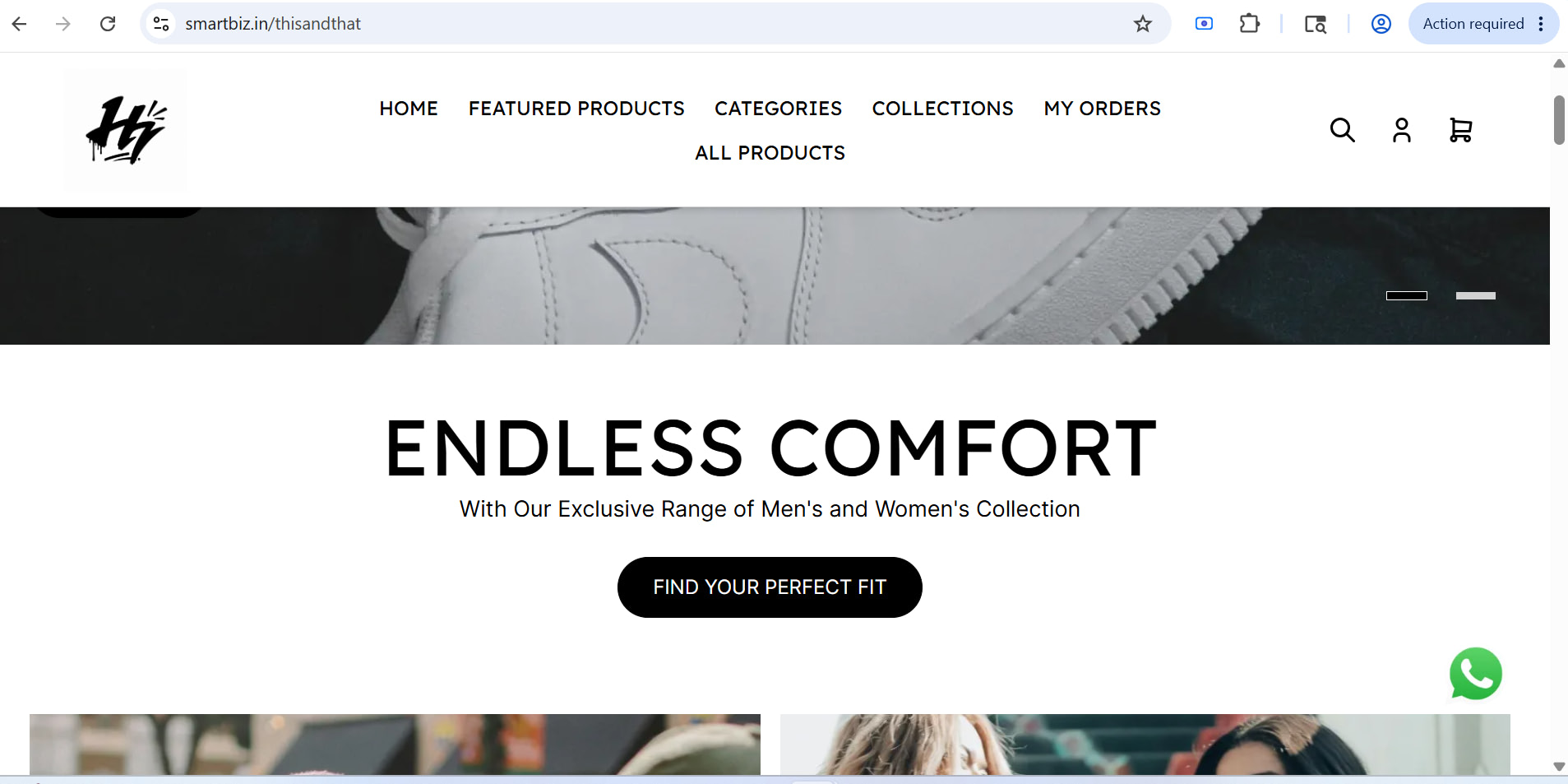
These two widgets work best together because they solve one of ecommerce's biggest challenges-product catalogs often explain what a product is but rarely communicate what a brand stands for.
The Text Block Widget lets you place rich text sections anywhere on your storefront. Whether it's your founder's story, a seasonal campaign, collection highlights, or promotional messaging, it gives your brand a voice beyond product listings.
Instead of only asking customers to "Add to Cart," your storefront can explain your craftsmanship, your inspiration, your values, and what makes your products worth choosing.
This is how brands move beyond selling products to creating memorable shopping experiences.
The Text Block Widget lets you place rich text sections anywhere on your storefront. Whether it's your founder's story, a seasonal campaign, collection highlights, or promotional messaging, it gives your brand a voice beyond product listings.
Instead of only asking customers to "Add to Cart," your storefront can explain your craftsmanship, your inspiration, your values, and what makes your products worth choosing.
This is how brands move beyond selling products to creating memorable shopping experiences.
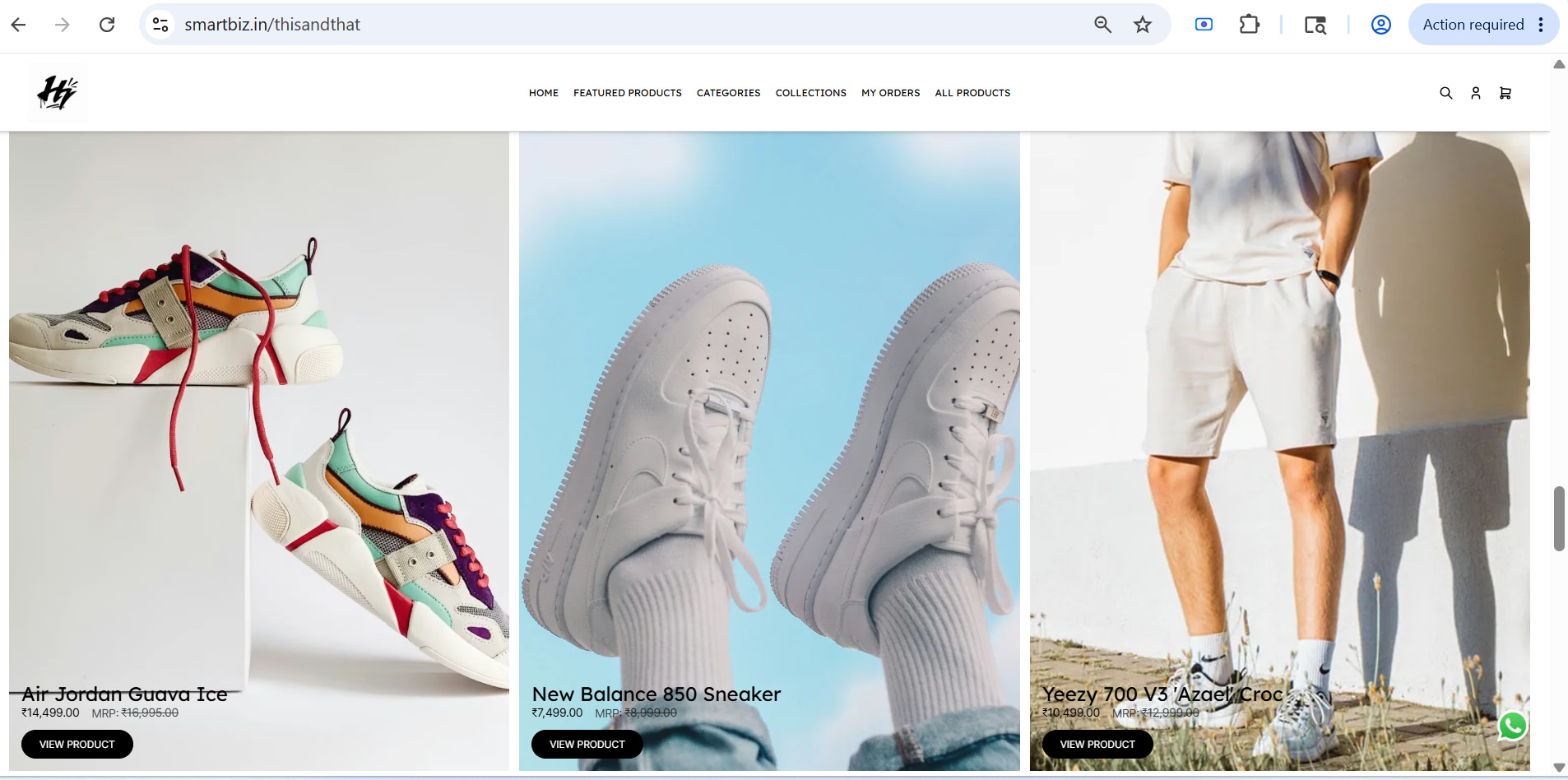
The Image Showcase Widget complements that story with immersive lifestyle imagery. Instead of displaying products against plain white backgrounds, sellers can showcase them in real-world settings that create context, build aspiration, and help customers imagine the product in their own lives.
For example:
• A home décor brand can showcase a beautifully styled living room featuring multiple products.
• A fashion brand can create a complete seasonal look.
• A skincare brand can present an everyday self-care routine instead of individual products.
Customers aren't simply buying products-they're buying the lifestyle those products represent.
Together, these widgets give independent sellers visual storytelling capabilities that previously required expensive custom development or enterprise ecommerce platforms.
For example:
• A home décor brand can showcase a beautifully styled living room featuring multiple products.
• A fashion brand can create a complete seasonal look.
• A skincare brand can present an everyday self-care routine instead of individual products.
Customers aren't simply buying products-they're buying the lifestyle those products represent.
Together, these widgets give independent sellers visual storytelling capabilities that previously required expensive custom development or enterprise ecommerce platforms.
Lookbook Widget: Turn Inspiration into Shoppable Experiences
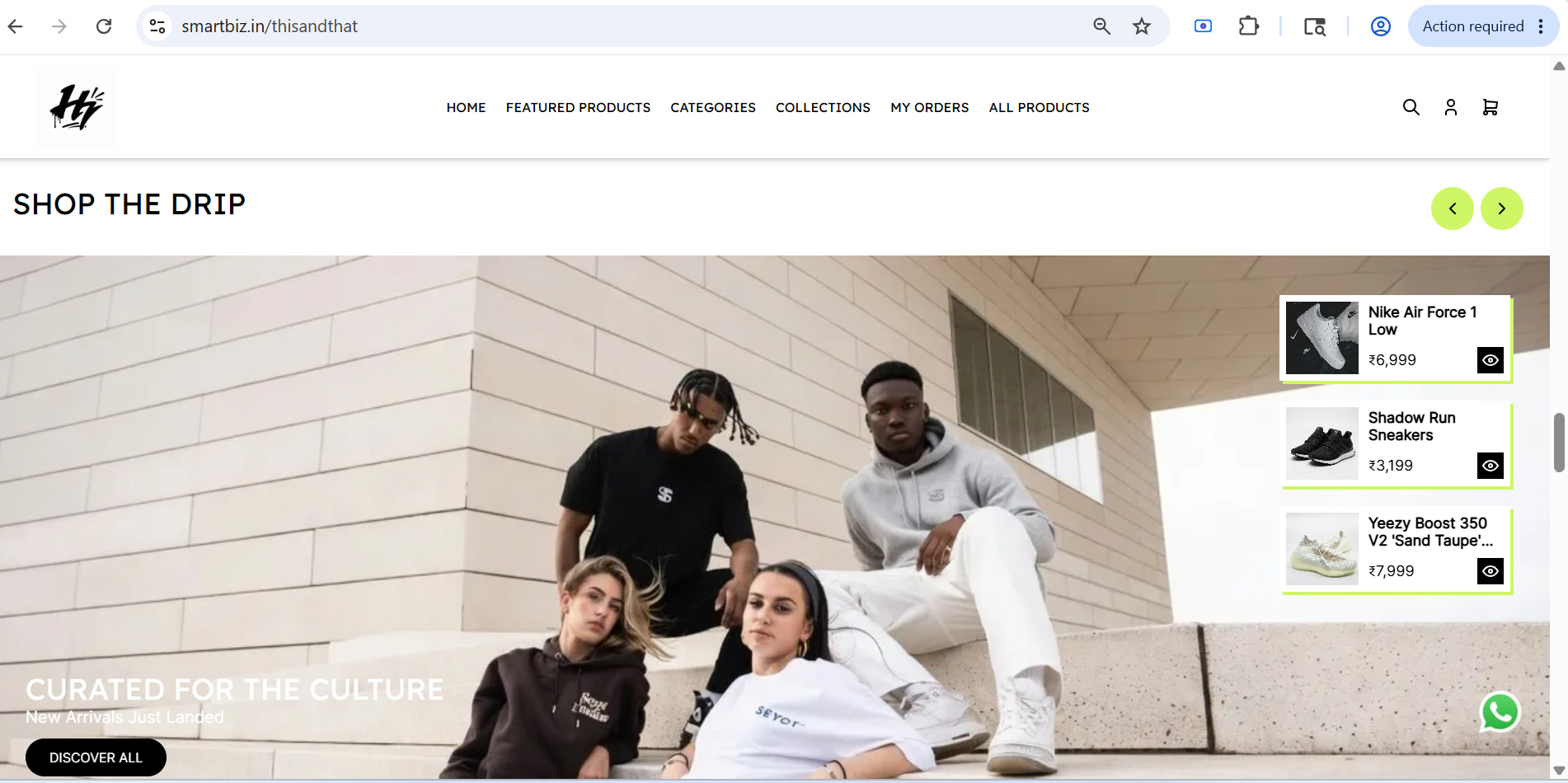
The Lookbook Widget transforms lifestyle imagery into interactive shopping experiences by allowing products to be tagged directly within images.
This is what modern visual merchandising looks like.
Instead of displaying products individually, sellers can show complete looks, curated spaces, or routines that inspire customers to discover multiple products naturally.
Examples include:
• A fashion brand creating a "Wedding Guest Collection" where customers can shop every item in a complete outfit.
• A home décor brand showcasing a styled living room with every featured product linked directly from the image.
• A beauty brand presenting a complete morning skincare routine with every product tagged for purchase.
Inspiration often drives discovery better than traditional navigation because customers naturally shop complete experiences rather than isolated products.
The Lookbook Widget is especially valuable for fashion, beauty, lifestyle, and home décor brands where aspiration plays a significant role in purchasing decisions.
This is what modern visual merchandising looks like.
Instead of displaying products individually, sellers can show complete looks, curated spaces, or routines that inspire customers to discover multiple products naturally.
Examples include:
• A fashion brand creating a "Wedding Guest Collection" where customers can shop every item in a complete outfit.
• A home décor brand showcasing a styled living room with every featured product linked directly from the image.
• A beauty brand presenting a complete morning skincare routine with every product tagged for purchase.
Inspiration often drives discovery better than traditional navigation because customers naturally shop complete experiences rather than isolated products.
The Lookbook Widget is especially valuable for fashion, beauty, lifestyle, and home décor brands where aspiration plays a significant role in purchasing decisions.
Collapsible Content: Keep Your Storefront Clean
Not every improvement to a storefront is visual-but some of the most important ones improve how information is organized.
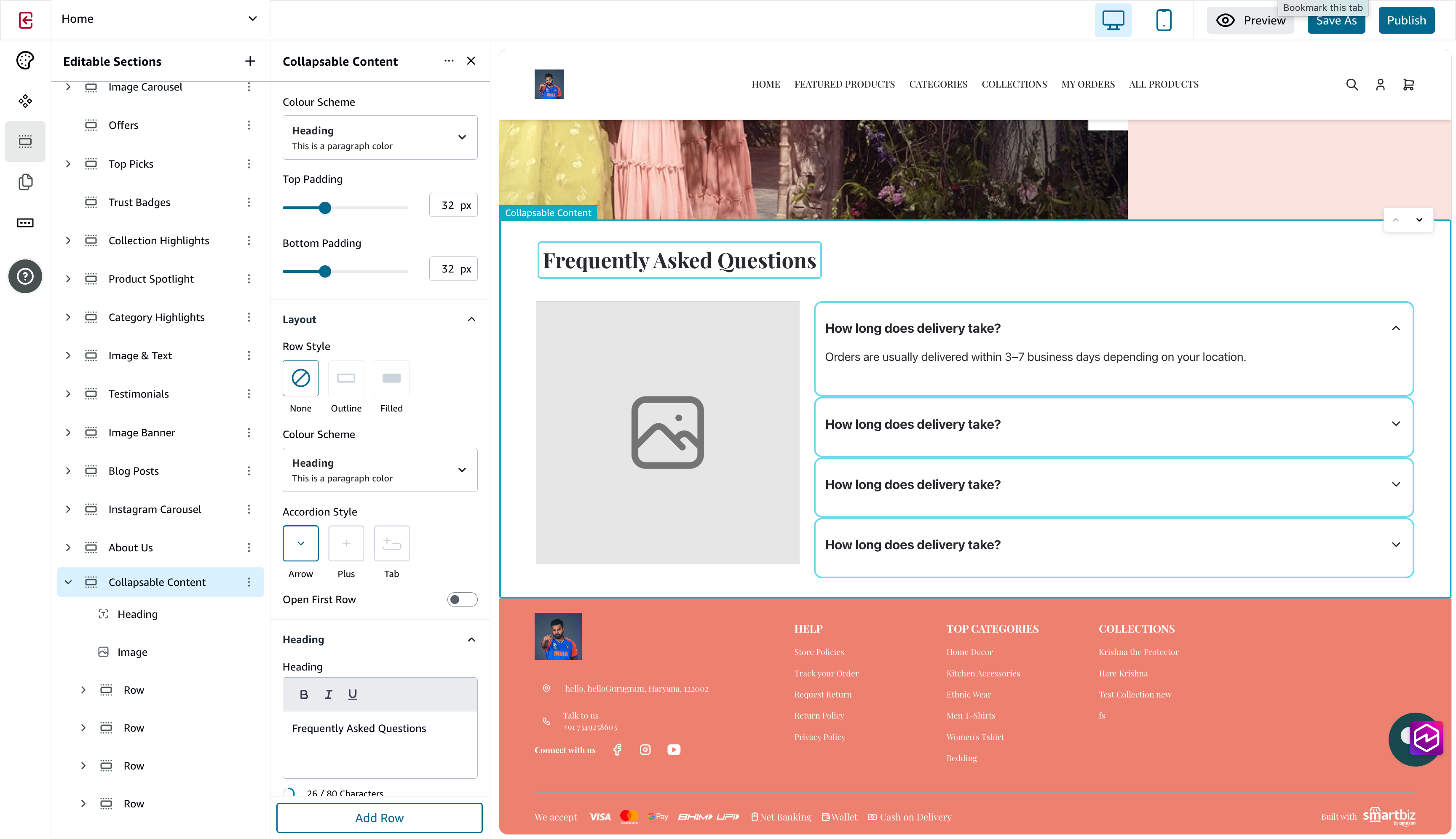
The Collapsible Content Widget creates expandable sections for FAQs, shipping policies, return information, size guides, care instructions, and product specifications.
Most sellers face the same challenge: customers need detailed information before making a purchase, but displaying everything upfront makes product pages feel overwhelming.
Collapsible sections solve this by keeping storefronts clean while making important information available exactly when customers need it.
Good ecommerce design isn't just about appearance-it's also about information architecture. A storefront that presents information clearly and at the right moment creates a smoother buying experience than one filled with long blocks of text.
The Collapsible Content Widget creates expandable sections for FAQs, shipping policies, return information, size guides, care instructions, and product specifications.
Most sellers face the same challenge: customers need detailed information before making a purchase, but displaying everything upfront makes product pages feel overwhelming.
Collapsible sections solve this by keeping storefronts clean while making important information available exactly when customers need it.
Good ecommerce design isn't just about appearance-it's also about information architecture. A storefront that presents information clearly and at the right moment creates a smoother buying experience than one filled with long blocks of text.
How These Widgets Work Together to Build a Branded Storefront
How These Widgets Work Together to Build a Branded Storefront
The real power isn't in any one widget-it's in how they work together to transform a static product catalog into a branded customer journey.
Imagine a customer landing on your homepage.
They first see a Row Grid section introducing your latest campaign with rich visuals and featured collections.
A Text Block immediately follows, telling the story behind the collection or your brand philosophy.
An Image Showcase then places your products into real-life contexts that create aspiration.
Further down, a Lookbook encourages discovery by letting customers shop complete looks instead of individual products.
Finally, Collapsible Content answers shipping, sizing, and policy questions without disrupting the browsing experience.
This isn't simply a better-looking storefront-it's a better shopping experience from the first click to the final purchase.
Customers stay longer, explore more pages, and interact with products differently when a storefront feels like a thoughtfully designed brand instead of a digital product catalog.
Smart Commerce by Amazon now gives independent sellers access to design capabilities that were previously available only through custom-built websites or enterprise ecommerce platforms, helping close the gap between emerging brands and established retailers.
The real power isn't in any one widget-it's in how they work together to transform a static product catalog into a branded customer journey.
Imagine a customer landing on your homepage.
They first see a Row Grid section introducing your latest campaign with rich visuals and featured collections.
A Text Block immediately follows, telling the story behind the collection or your brand philosophy.
An Image Showcase then places your products into real-life contexts that create aspiration.
Further down, a Lookbook encourages discovery by letting customers shop complete looks instead of individual products.
Finally, Collapsible Content answers shipping, sizing, and policy questions without disrupting the browsing experience.
This isn't simply a better-looking storefront-it's a better shopping experience from the first click to the final purchase.
Customers stay longer, explore more pages, and interact with products differently when a storefront feels like a thoughtfully designed brand instead of a digital product catalog.
Smart Commerce by Amazon now gives independent sellers access to design capabilities that were previously available only through custom-built websites or enterprise ecommerce platforms, helping close the gap between emerging brands and established retailers.
Your Brand Deserves Better Than a Product Grid
Generic storefronts compete on price because they give customers very little else to respond to.
Branded storefronts compete on something much more valuable-identity, trust, and customer experience.
Together, the Row Grid, Text Block, Image Showcase, Lookbook, and Collapsible Content widgets help independent sellers create storefronts that feel immersive, memorable, and distinctly their own.
The future of ecommerce isn't about listing more products-it's about creating storefronts customers remember.
These five new widgets are now live on SmartBiz by Amazon, making it easier than ever for sellers to build richer, more engaging shopping experiences without custom development.
Explore the new widgets today and start building a storefront that's designed to be remembered.
Branded storefronts compete on something much more valuable-identity, trust, and customer experience.
Together, the Row Grid, Text Block, Image Showcase, Lookbook, and Collapsible Content widgets help independent sellers create storefronts that feel immersive, memorable, and distinctly their own.
The future of ecommerce isn't about listing more products-it's about creating storefronts customers remember.
These five new widgets are now live on SmartBiz by Amazon, making it easier than ever for sellers to build richer, more engaging shopping experiences without custom development.
Explore the new widgets today and start building a storefront that's designed to be remembered.


COMPANY


Built in

© 2026 Amazon.com, Inc. or its affiliates. All rights reserved